
The European Tradition of Mini Pastries
Why Small Desserts Continue to Inspire Modern Chefs
In many European kitchens, desserts are not always served as a single large plate. Instead, they often appear in smaller, elegant forms — delicate pastries, bite-size cakes, and miniature desserts that allow guests to experience multiple flavors in one sitting.
These small pastries are more than just visually appealing. They are part of a long culinary tradition rooted in French pâtisserie, café culture, and European hospitality.
For chefs today, they also offer something highly practical: variety, portion control, and refined presentation.
The Origins of Petit Fours
One of the earliest examples of miniature pastry culture comes from the French petit four.
The term literally translates to “small oven.” In traditional French bakeries, large bread ovens were allowed to cool gradually after the day’s bread production. Bakers would use this remaining heat — the petit four — to bake small cakes, meringues, and delicate pastries.
Over time, these small sweets became associated with afternoon tea service and elegant hospitality, typically served with coffee after a meal.
Today, petit fours remain a staple of:
• dessert buffets
• wedding dessert tables
• luxury catering events
• hotel pastry displays
Their small size allows chefs to offer multiple desserts in a single presentation, something that has become increasingly popular in modern dining.
The Rise of the French Macaron
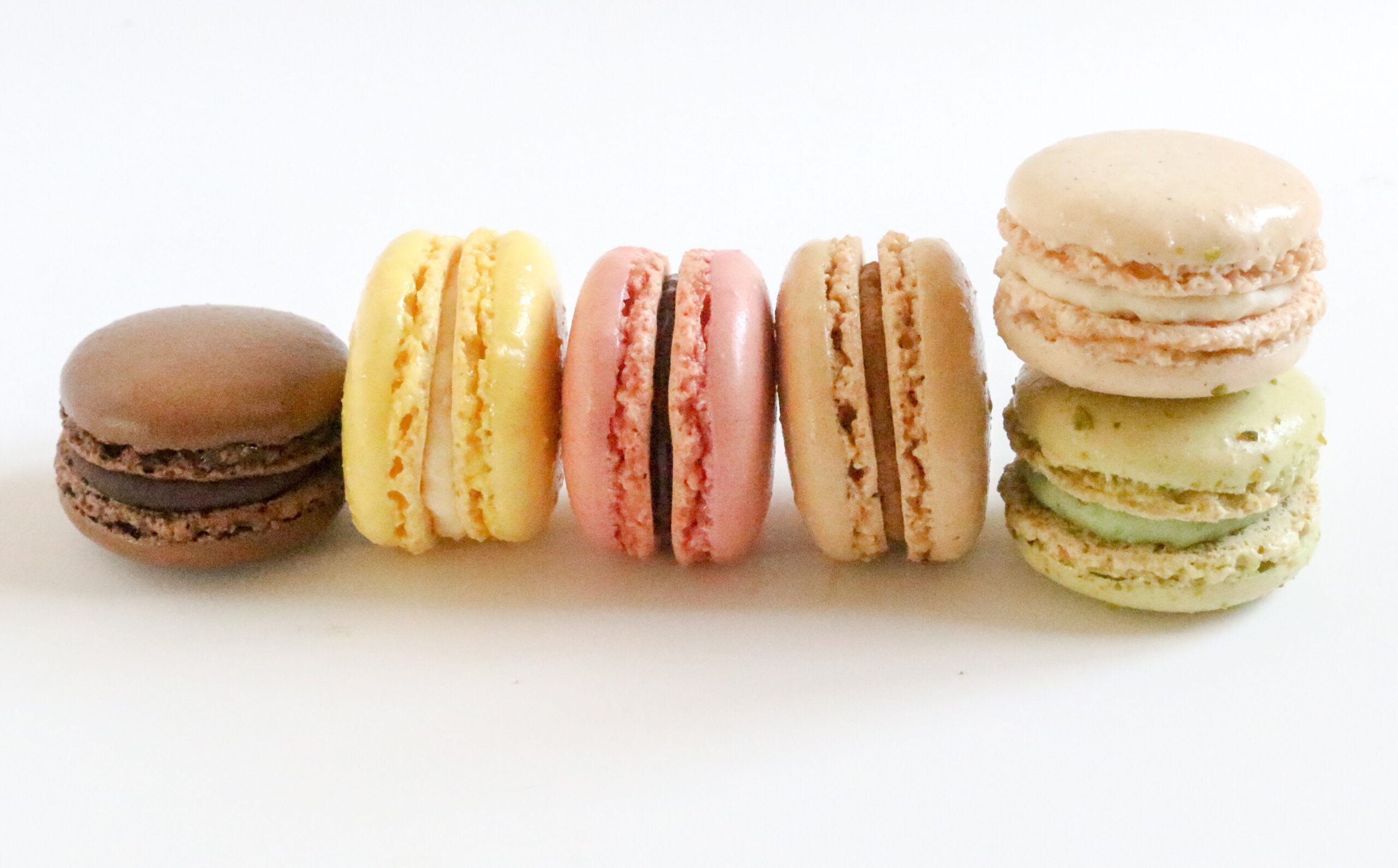
Few pastries symbolize French pâtisserie as clearly as the macaron.
Although the macaron’s roots trace back to Italy during the Renaissance, it was introduced to France in the 16th century when Catherine de’ Medici married King Henry II and brought Italian pastry chefs with her.
Over the centuries, French pastry chefs refined the recipe into the delicate almond meringue cookie known today.
The modern Parisian macaron, with two shells and a creamy filling, became widely popular in the 20th century thanks to Parisian pâtisseries like Ladurée and Pierre Hermé.
Today macarons are valued by chefs because they provide:
• strong visual impact
• vibrant color on dessert displays
• naturally gluten-free ingredients
• elegant bite-size portions
Beignets and the Café Tradition
Another classic European pastry that adapts beautifully to miniature format is the beignet.
The word beignet comes from French and refers to fried dough pastries that date back centuries across Europe. In France they were traditionally enjoyed during celebrations and café service.
While many people associate beignets with New Orleans today, the pastry’s roots lie in French culinary tradition, where they were often served warm with powdered sugar alongside coffee.
Miniature versions provide chefs with an easy addition to:
• brunch service
• dessert stations
• hotel breakfast buffets
• coffee pairings
Their light texture and sweet fillings make them approachable and comforting while still feeling refined.
The Opera Cake: A Modern French Classic
The Opera cake is a relatively modern addition to the French pastry tradition, believed to have been created in Paris in the 20th century.
The dessert is known for its elegant layers:
• almond sponge cake (joconde)
• coffee buttercream
• chocolate ganache
• smooth chocolate glaze
The clean layers and balanced flavors make it one of the most recognizable desserts in French pastry shops.
In miniature form, Opera cakes translate beautifully into dessert buffets and catering presentations, where their structured layers create visual interest and rich flavor in a small bite.
Why Mini Pastries Work So Well for Chefs
Miniature desserts have remained popular in professional kitchens for several reasons.
First, they allow chefs to present multiple flavors without overwhelming guests. A dessert display featuring several small pastries encourages guests to try more than one item.
Second, mini pastries offer excellent portion control, which is especially useful for catering and buffet environments.
Finally, they create visually striking displays. A well-arranged platter of colorful macarons, layered opera cakes, and delicate petit fours adds sophistication to any event or dining experience.
Continuing a European Baking Tradition
Across Europe, these pastries have been enjoyed for generations in cafés, hotels, and bakeries. Today, chefs continue to reinterpret them for modern dining environments — from dessert buffets and afternoon tea to cocktail hour sweets and refined tasting menus.
At Landert Bread, we are proud to bring these traditions to chefs by importing a carefully curated selection of European breads and pastries designed for professional kitchens.
From artisan breads to refined pastries, our goal has always been simple:
to help chefs create memorable dining experiences rooted in authentic European baking tradition.
Search Blog
Categories
Archives
- June 2026
- May 2026
- March 2026
- March 2025
- September 2024
- August 2024
- July 2024
- June 2024
- February 2022
- June 2021
- April 2021
- January 2021
- June 2020
- May 2020
- April 2020
- March 2020
- February 2020
- January 2020
- December 2019
- October 2019
- August 2019
- March 2017
- February 2017
- January 2017
- December 2016
- November 2016
- October 2016
- September 2016
- August 2016
- July 2016
- June 2016
- May 2016
- April 2016
- March 2016
- February 2016
- January 2016
- December 2015
- November 2015
- October 2015
- September 2015
- July 2015
- June 2015
- April 2015
- January 2015
- December 2014
- October 2014
- August 2014
- July 2014
- May 2014
- January 2014
Recent Posts
- Small Rolls, Big Impressions: A Tour Through Europe’s Favorite Dinner Rolls
- Why Rye Has Been Europe’s Best-Kept Health Secret for Over 2,000 Years.
- Summer Starts Here
- The Standard Behind the Bread: Why Ours Is Never Bromated
- The Easter Table, Refined: Brioche, Millefeuille & the Architecture of French Pâtisserie