
Why Rye Has Been Europe’s Best-Kept Health Secret for Over 2,000 Years.
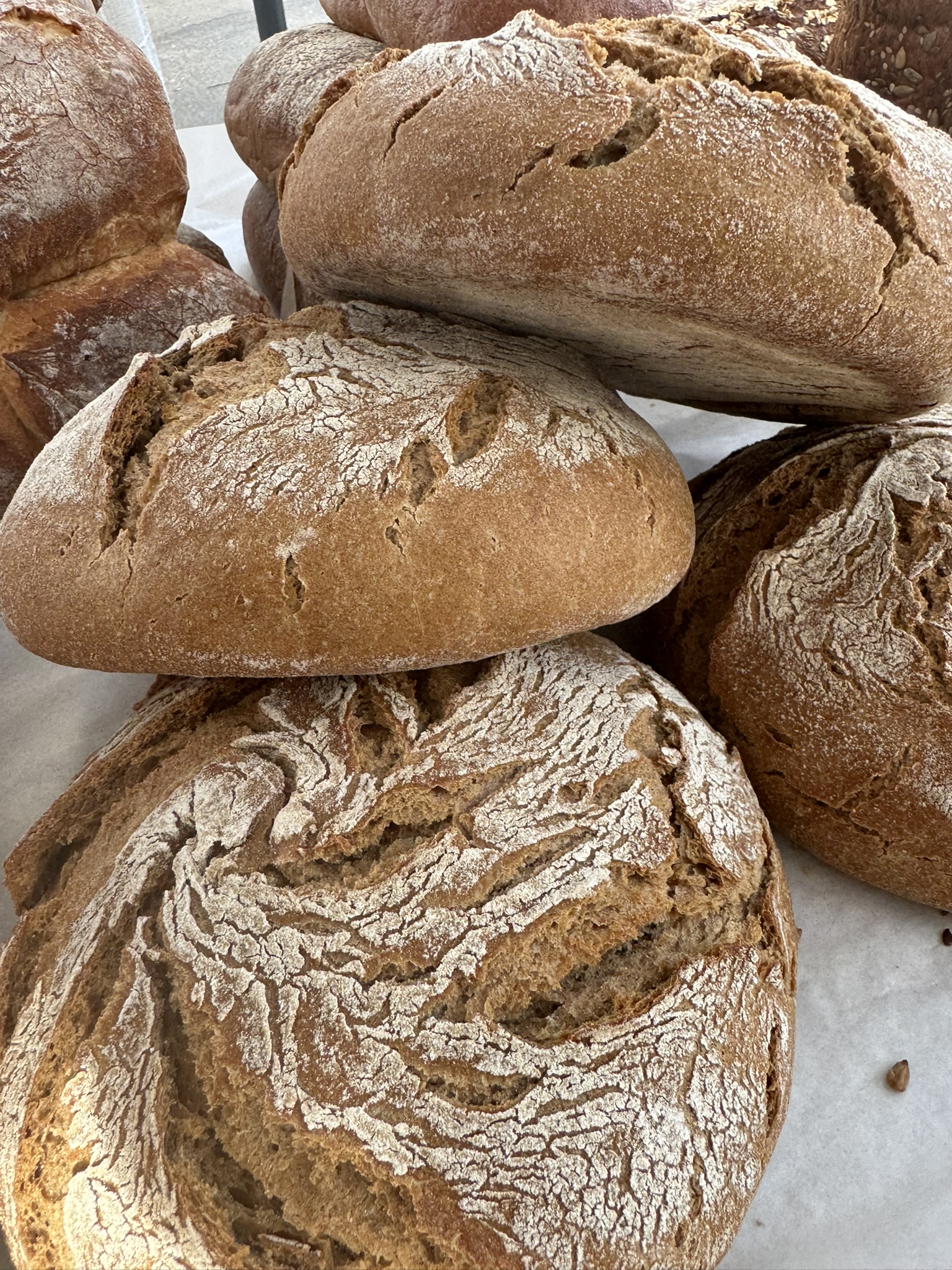
Long before protein bars, green powders, and wellness trends filled grocery store shelves, Europeans relied on a much simpler source of nourishment: rye.
For more than 2,000 years, rye has been a staple grain throughout Switzerland, Germany, Austria, Scandinavia, and Eastern Europe. It thrived where wheat often struggled, growing in cooler climates and less fertile soils. Over time, rye became deeply woven into European food culture, producing some of the world’s most iconic breads – from Swiss rye loaves and German Bauernbrot to Scandinavian crispbreads and dense pumpernickels.
Today, modern nutritional research is confirming what generations of European bakers have known all along: rye is one of the most unique and valuable grains available.
What Makes Rye Different?
Unlike conventional white wheat flour, rye contains significantly higher levels of dietary fiber and naturally occurring plant compounds. It is particularly rich in soluble fibers known as arabinoxylans, which contribute to digestive health and help create a feeling of fullness after eating.
Rye also develops a distinctive flavor profile that cannot be replicated by wheat alone. Depending on the recipe and fermentation process, rye breads can offer earthy notes, subtle sweetness, mild tanginess, and exceptional depth of flavor.
This combination of nutrition, flavor, and versatility is why rye has remained a cornerstone of European baking for centuries.
1. Rye Is Naturally Rich in Fiber
Fiber is one of the most important nutrients missing from many modern diets.
Among commonly consumed cereal grains, rye contains some of the highest levels of dietary fiber. Whole-grain rye contains substantially more fiber than many traditional wheat breads, making it an excellent choice for those looking to support digestive health and overall wellness.
The fibers found in rye help slow digestion, support regularity, and contribute to a longer-lasting feeling of satisfaction after meals.
2. The “Rye Factor”
One of the most fascinating discoveries in rye research is what scientists often refer to as the “Rye Factor.”
Several studies have demonstrated that rye bread can produce a lower insulin response than traditional wheat breads, even when blood sugar levels remain similar. Researchers continue to study this unique metabolic response and its potential benefits for sustained energy and satiety.
Simply put, rye often helps people feel energized and satisfied longer than many refined grain products.
3. Rye Supports a Healthy Gut
The natural fibers found in rye serve as prebiotics, providing nourishment for beneficial bacteria within the digestive system.
A healthy gut microbiome has been linked to digestive health, immune function, and overall wellness. Because rye contains both soluble and insoluble fibers, it has become increasingly valued by nutrition researchers interested in gut health.
Emerging research suggests that rye’s unique fiber composition may positively influence gut bacteria and support overall metabolic health.
4. Rye Helps You Stay Fuller Longer
Many people notice that rye bread feels more substantial than conventional white bread.
Research supports this observation. Studies have shown that rye products may promote greater satiety and reduce hunger compared to many refined wheat alternatives.
For generations, European families relied on rye because it provided lasting nourishment throughout the day – a practical benefit that remains just as valuable today.
5. Rye Delivers Exceptional Flavor
While nutrition often gets the spotlight, flavor is where rye truly shines.
Rye contributes complexity, aroma, and character that wheat alone cannot achieve. Long fermentation further enhances these characteristics, creating breads with remarkable depth and balance.
This is one reason rye remains highly regarded by bakers and chefs throughout Europe.
Why European Rye Matters
The story of rye is inseparable from Europe itself.
Northern and Central Europe provide ideal growing conditions for rye, and centuries of baking tradition have refined how the grain is milled, fermented, and baked.
Unlike highly processed commercial breads, traditional European rye breads are often crafted using longer fermentation times and recipes that emphasize flavor, texture, and quality ingredients.
In fact, Europe still produces roughly half of the world’s rye, and many of its most beloved breads continue to be rooted in centuries-old baking traditions.
At Landert Bread, we proudly continue these traditions by sourcing and offering authentic European-style breads inspired by generations of artisan bakers.
Featured Breads
A traditional European mixed rye bread made with approximately 30% rye flour. Its golden-brown crust bakes crisp while the interior remains soft, moist, and flavorful. The balanced rye content delivers the hearty character of rye without overwhelming acidity, making it exceptionally versatile for sandwiches, cheese boards, soups, and everyday table bread.
An extraordinary multi-grain loaf crafted with a blend of wheat flour, rye flour, forest perennial rye, einkorn, emmer, spelt, whole-grain oats, and natural sourdough. The result is a crisp crust, airy crumb, and complex nutty flavor profile that showcases some of humanity’s oldest cultivated grains. This loaf combines ancient grain heritage with modern artisan baking.
One of our most distinctive artisan loaves, combining European rye, buckwheat, traditional fermentation, and artisan craftsmanship. Its beautifully caramelized crust, open crumb structure, and rich flavor profile embody the character and depth that define traditional European bread making. The name says it all—this bread is full of character.
A Tradition Worth Preserving
For thousands of years, rye has nourished communities across Europe. It has survived changing food trends, evolving agricultural practices, and generations of bakers because it offers something increasingly rare: simplicity.
Nutritious. Flavorful. Authentic.
Whether enjoyed with butter, paired with cheese, transformed into a sandwich, or served alongside a meal, rye continues to prove that some of the world’s best foods are also the most timeless.
Perhaps that’s why rye has never truly gone out of style in Europe.
—
Sources & Further Reading
Ghazvini M, et al. *Effect of Rye Consumption on Markers of Glycemic Control: A Systematic Review and Meta-Analysis (2025)*
https://pmc.ncbi.nlm.nih.gov/articles/PMC11956258/
Iversen KN, et al. *The Effect of Rye-Based Foods on Postprandial Plasma Insulin and Glucose Responses*
https://www.frontiersin.org/articles/10.3389/fnut.2022.868938/full
Juntunen KS, et al. *Rye Bread Decreases Postprandial Insulin Response but Does Not Alter Glucose Response*
https://www.nature.com/articles/1600716
Isaksson H, et al. *Whole Grain Rye Breakfasts Increase Satiety Compared with Refined Wheat Products*
https://pubmed.ncbi.nlm.nih.gov/19109656/
Rosén LAH, et al. *Postprandial Glycemia, Insulinemia and Satiety Responses Following Rye Bread Consumption*
https://pubmed.ncbi.nlm.nih.gov/21981244/
Iversen KN, et al. *High-Fiber Rye and Gut Health*
https://pmc.ncbi.nlm.nih.gov/articles/PMC9032876/
Whole Grains Council – Health Benefits of Rye
https://wholegrainscouncil.org/whole-grains-101/health-benefits-rye
Encyclopaedia Britannica – Rye
https://www.britannica.com/plant/rye
Search Blog
Categories
Archives
- June 2026
- May 2026
- March 2026
- March 2025
- September 2024
- August 2024
- July 2024
- June 2024
- February 2022
- June 2021
- April 2021
- January 2021
- June 2020
- May 2020
- April 2020
- March 2020
- February 2020
- January 2020
- December 2019
- October 2019
- August 2019
- March 2017
- February 2017
- January 2017
- December 2016
- November 2016
- October 2016
- September 2016
- August 2016
- July 2016
- June 2016
- May 2016
- April 2016
- March 2016
- February 2016
- January 2016
- December 2015
- November 2015
- October 2015
- September 2015
- July 2015
- June 2015
- April 2015
- January 2015
- December 2014
- October 2014
- August 2014
- July 2014
- May 2014
- January 2014
Recent Posts
- Small Rolls, Big Impressions: A Tour Through Europe’s Favorite Dinner Rolls
- Why Rye Has Been Europe’s Best-Kept Health Secret for Over 2,000 Years.
- Summer Starts Here
- The Standard Behind the Bread: Why Ours Is Never Bromated
- The Easter Table, Refined: Brioche, Millefeuille & the Architecture of French Pâtisserie