
The Standard Behind the Bread: Why Ours Is Never Bromated
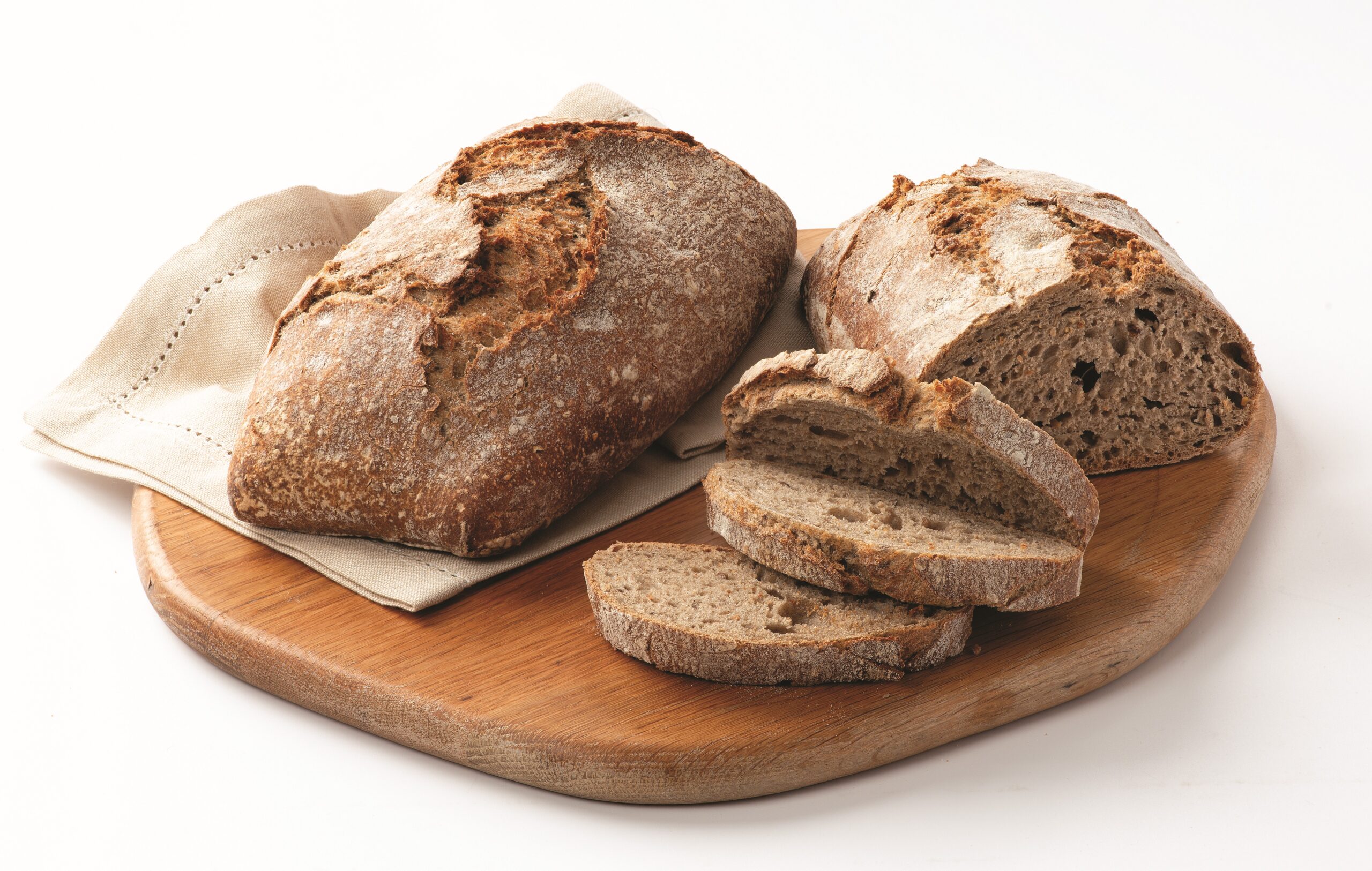
Not all bread is created equal—and often, the difference lies in what isn’t used.
In much of modern baking, speed and uniformity have become the priority. Additives like potassium bromate have historically been used to strengthen dough and produce higher, more consistent loaves at scale. While effective from a manufacturing standpoint, its use has raised ongoing concerns. The International Agency for Research on Cancer has classified potassium bromate as “possibly carcinogenic to humans,” and studies have shown that if not fully broken down during baking, trace residues may remain in the final product.
As a result, potassium bromate has been banned across the European Union since the 1990s, along with countries such as Canada and the United Kingdom. In contrast, it is still permitted in the United States, where it may be found in certain commercial flours and baked goods—though its use has declined as awareness grows.
A European Standard—Where Process Replaces Additives
In Europe, bread follows a fundamentally different philosophy. Without the use of bromated flour, quality cannot rely on shortcuts—it must come from the process itself.
This means:
Longer, slower fermentation
Carefully selected wheat and milling practices
Time-honored baking techniques
Rather than forcing consistency through additives, structure develops naturally. Flavor deepens. Texture refines. The bread becomes a reflection of craft—not chemistry.
This approach is not new—it is simply the original standard of baking.
Why Many Experience Bread Differently
There is also a more subtle difference—one that many people notice without immediately understanding why.
Across Europe, wheat varieties, growing conditions, and processing methods tend to be less industrialized. Combined with slower fermentation, this allows the dough to break down more gradually and develop in a more balanced way.
For many, this results in bread that feels lighter, more digestible, and more satisfying. It is why travelers often say they can enjoy bread and pastries throughout France, Switzerland, or Germany in a way that feels different from their experience at home.
While this does not apply to those with celiac disease, it reflects an important idea:
how bread is made matters just as much as what it’s made from.
Bread, As It Was Meant to Be
When bromated flour and unnecessary additives are removed, what remains is the essence of true baking—time, care, and integrity.
The result is bread with:
A naturally developed structure
A deeper, more refined flavor
A sense of balance that comes from proper fermentation
At Landert Bread, this is simply our standard:
no bromated flour, all-natural ingredients, and authentic European baking practices.
Because bread should feel as good as it tastes—and once you experience it this way, the difference is unmistakable.
Search Blog
Categories
Archives
- March 2026
- March 2025
- September 2024
- August 2024
- July 2024
- June 2024
- February 2022
- June 2021
- April 2021
- January 2021
- June 2020
- May 2020
- April 2020
- March 2020
- February 2020
- January 2020
- December 2019
- October 2019
- August 2019
- March 2017
- February 2017
- January 2017
- December 2016
- November 2016
- October 2016
- September 2016
- August 2016
- July 2016
- June 2016
- May 2016
- April 2016
- March 2016
- February 2016
- January 2016
- December 2015
- November 2015
- October 2015
- September 2015
- July 2015
- June 2015
- April 2015
- January 2015
- December 2014
- October 2014
- August 2014
- July 2014
- May 2014
- January 2014